The most common PPDT and OIR screening mistakes cost thousands of candidates their SSB on Day 1 itself is the most brutal day. Nearly 60 to 70 percent of candidates go home after the very first day screening. The reason is not that they are unworthy it is because they make avoidable mistakes in PPDT and OIR that cost them their spot. I have seen this happen to many candidates during my own SSB experience. In this post I will break down every common mistake in both PPDT and OIR screening so you walk into Day 1 fully prepared and confident.
What happens on Day 1 – Quick Overview
Day 1 screening has two parts done back to back:
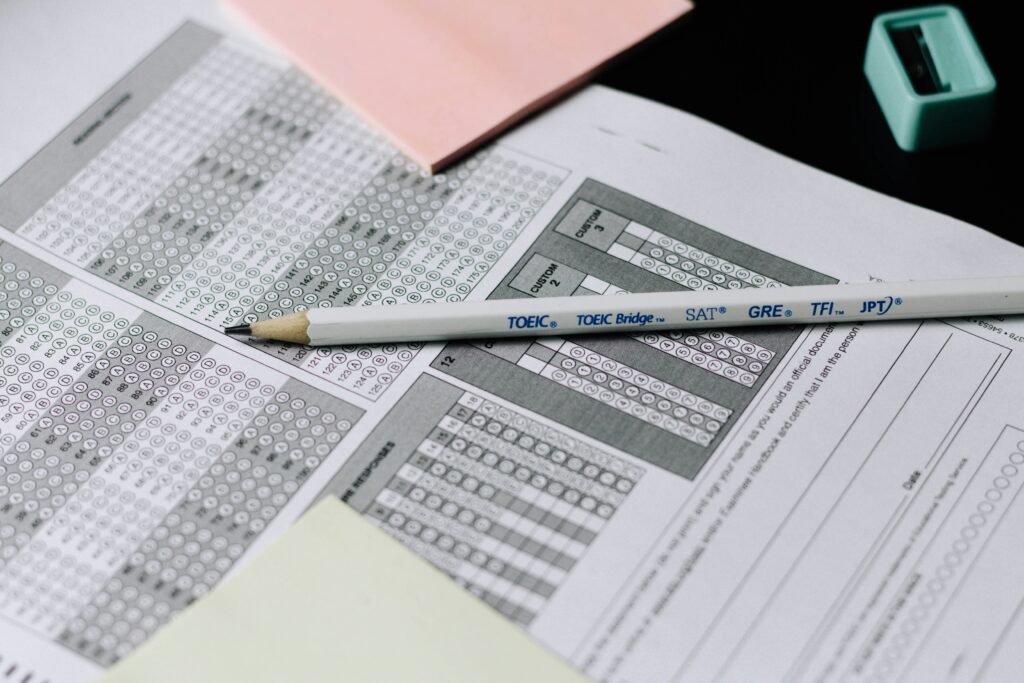
First is OIR -Officer Intelligence Rating test. It is a written intelligence test with two booklets containing verbal and non verbal questions. You get limited time to answer as many questions as possible.
Second is PPDT – Picture Perception and Description Test. You are shown a hazy picture for 30 seconds. You write a story about it in 4 minutes. Then you discuss your story in a group and arrive at a common story together.
Both tests together determine whether you stay for the remaining four days or go home the same evening.
Part 1 Common Mistakes in OIR
OIR Mistake 1 – Spending too much time on one question
This is the biggest OIR killer. Many candidates get stuck on a difficult question and waste 2 to 3 minutes trying to solve it. OIR is a speed test -the number of correct answers matters more than solving every question perfectly.
How to avoid it: If a question takes more than 30 seconds move on immediately. Come back to it only if time permits. Never sacrifice 5 easy questions for 1 difficult one.
OIR Mistake 2 – Not practicing both verbal and non verbal sections
Most candidates only practice number series and analogies but completely ignore spatial reasoning, figure completion and pattern recognition questions. Non verbal section catches unprepared candidates off guard.
How to avoid it: Practice both sections equally every day for at least 30 days before your SSB. Use SSB crack OIR question Bank – it covers every type of OIR question.
OIR Mistake 3 – Guessing randomly
Some candidates think randomly guessing unanswered questions will improve their score. OIR has no negative marking in most cases but random guessing wastes the mental energy you need for PPDT immediately after.
How to avoid it: Attempt only questions you are reasonably confident about. Skip questions you have no idea about entirely.
OIR Mistake 4 – Not reading instructions carefully
Every OIR booklet has instructions on the first page. Many candidates skip reading them in panic and make errors like answering in wrong format or missing sections entirely.
How to avoid it: Spend the first 60 seconds reading instructions completely even if it feels like wasted time. One minute of reading saves multiple wrong attempts.
OIR Mistake 5 – Poor time management between two booklets
OIR has two separate booklets. Many candidates spend too much time on Booklet 1 and rush through Booklet 2 carelessly making silly errors.
How to avoid it: Keep a rough mental note of time. Attempt easy question first then later came back the difficult question .
Part 2 Common Mistakes in PPDT
PPDT Mistake 1 – Writing a negative or tragic story
This is the most common and most damaging mistake. Candidates write stories where the hero fails, dies, faces tragedy or gives up. Assessors are looking for a positive, solution-oriented personality.
How to avoid it: Your PPDT story must always have a positive ending. The hero not required to face a challenge and overcome it through, Just write a simple Story action and shows the leadership of character. No deaths, no failures, no giving up ever.
PPDT Mistake 2 – Not including a clear hero
Many candidates write vague stories without a clear central character who takes action. Without a clear hero your story has no personality for assessors to evaluate.
How to avoid it: Always create one clear male or female hero aged between 20 and 30. Give him/her a name. Show him/her taking initiative, solving a problem and achieving a positive outcome.
PPDT Mistake 3 – Ignoring the picture completely
Some candidates glance at the picture for 5 seconds and write a completely unrelated story. Assessors notice immediately when your story has nothing to do with the image shown.
How to avoid it: Study the picture carefully for the full 30 seconds. Note the setting – indoor or outdoor, the number of people, approximate ages, mood of the scene, background and nature of scenario. Build your story around what you genuinely see.
PPDT Mistake 4 – Writing too long a story
You have only 4 minutes to write. Many candidates write elaborate 300 word stories and leave them incomplete. An incomplete story creates a very poor impression.
How to avoid it: Write a short, complete story in 3 clear parts situation, action taken by hero, positive outcome. Aim for 80 to 100 words maximum. Complete story always beats an impressive but incomplete one.
PPDT Mistake 5 – Not speaking during group discussion
After individual story writing the group sits together and discusses to form one common story. Many candidates stay silent because they are shy or unsure. Silence in PPDT group discussion is the fastest way to get screened out.
How to avoid it: Speak within the first 30 seconds of the discussion starting. You do not need to give a perfect speech – just clearly state your story theme and hero in 3 to 4 sentences confidentl
PPDT Mistake 6 – Shouting and interrupting others
The opposite problem – some candidates think being loud and aggressive shows leadership. Assessors specifically watch for candidates who disrupt the group rather than build it.
How to avoid it: Speak clearly and confidently but at a normal volume. When others speak listen actively and nod. Build on what others say rather than dismissing their ideas.
PPDT Mistake 7 – Changing your story completely during discussion
Some candidates abandon their own story the moment someone speaks louder. This shows lack of confidence and conviction – two qualities assessors specifically watch for.
How to avoid it: Stick to your story theme even if others disagree. You can accommodate small points from others but your core narrative should remain consistent. Conviction in your ideas is a major OLQ being evaluated here.
My personal observation as a Repeater:
Having gone through the SSB process myself the candidates who clear screening are not necessarily the most intelligent or the most vocal. They are the ones who stay calm, write a clear complete story, speak confidently in the group without aggression and attempt OIR questions quickly and accurately. These are habits you can build with practice not talents you are born with.
OIR checklist – Practice daily for 30 days, never spend more than 30 seconds on one question, read instructions before starting, manage time equally between both booklets. Moreover Set 20 to 25 Minutes per Booklet and practice as much as. Try to score 90-95 Marks in OIR Test.
PPDT checklist – Always write a positive ending, create one clear male or female hero, base your story on the picture, keep it under 100 words, speak within first 30 seconds of discussion, maintain your story with conviction.
Day 1 screening is completely clearable if you avoid these mistakes. Most candidates fail not because they lack potential but because they are unprepared for the specific format and what assessors are looking for. Now you know exactly what to avoid. Practice these points starting today and walk into your SSB Day 1 with confidence.
If this post helped you share it with a friend preparing for SSB. Check out our other guides on this website for complete preparation on all five days of SSB.